Body treatment training
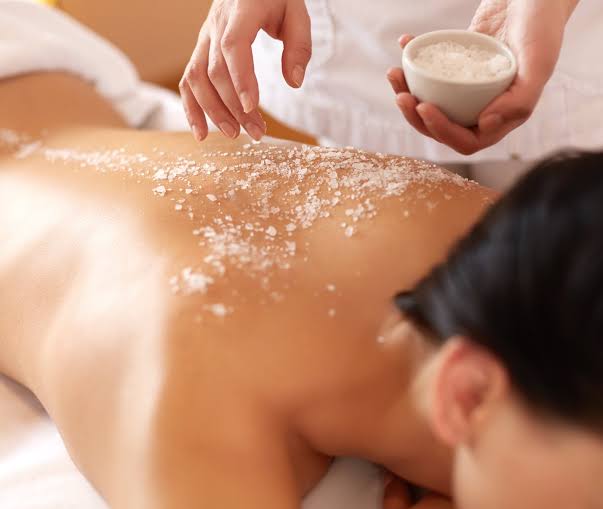
Body treatment training involves both theoretical and practical components, where you'll learn anatomy, physiology, client consultation, contraindications, and treatment techniques for various body services like massage, body scrubs, or body wraps. Expect hands-on practice, potentially involving role-playing and working on models, and a final assessment, often a practical exam, to demonstrate your skills and meet industry standards.
Theoretical Component
Anatomy & Physiology: You'll learn about the body's structure and functions relevant to the treatments you'll be performing.
Client Consultation & Aftercare: Training includes how to consult with clients, understand their needs, manage expectations, and provide proper aftercare advice.
Contraindications & Safety: You'll learn to identify contraindications (reasons why a treatment shouldn't be performed) and understand safety protocols and best practices.
Treatment Theory: This covers the theory behind specific body treatments, such as body massage, body scrubs, wraps, or radio frequency treatments.
Practical Component
Hands-on Practice: The course will involve practical sessions to practice techniques under the guidance of an instructor.
Skills Development: You will develop practical skills like performing full body massage routines, applying body scrubs, or administering specialized technologies like radio frequency.
Palpation & Techniques: In some fields, like Active Release Techniques (ART), you'll practice palpation (touching to examine) and specific treatment protocols.
Assessment: A practical assessment is usually required to demonstrate your proficiency and ensure you meet the minimum requirements to practice.
What to Expect During Training
Hybrid Learning: Many courses use a hybrid model, combining online modules for theory with in-person sessions for practical training.
Preparation: You may be expected to complete online preparatory materials or practice on friends and family before the practical training begins.
Professionalism: The training emphasizes safety, hygiene, and professional conduct to ensure you can provide high standards of care in a clinical or spa setting.
Specifics to Body Treatments: Depending on the type of body treatment, you might focus on different areas like the face, neck, or abdomen, or specific treatments like anti-cellulite therapies.