Mole remover training
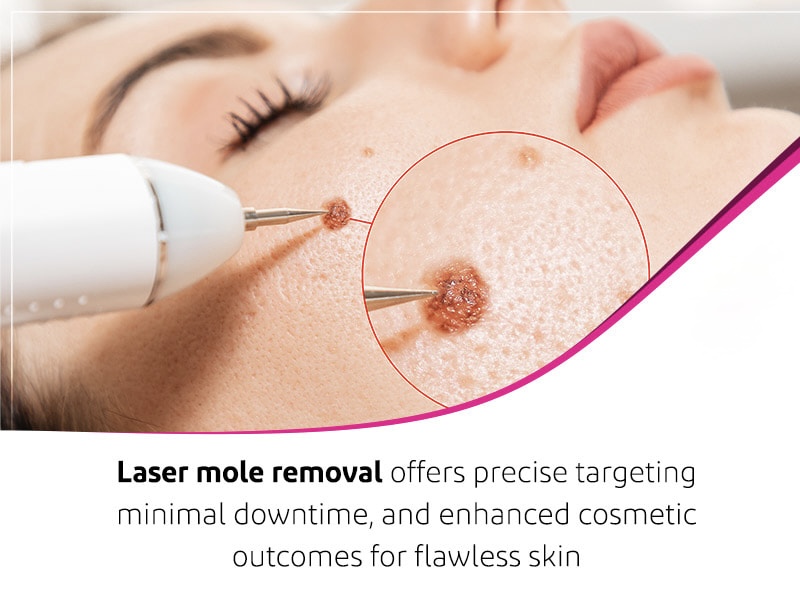
Mole removal training involves learning to identify, evaluate, and remove moles using procedures like shave excision or surgical excision, depending on the mole's nature. Training includes administering local anesthesia, performing the chosen removal method, sending tissue for biopsy to rule out cancer, and providing post-procedure aftercare instructions to prevent infection and promote healing. What to expect during the procedure includes a consultation to determine the best method, local anesthesia, and the subsequent removal and wound care.
Before the Procedure
Consultation: You will have an in-depth consultation with a dermatologist or skincare expert. They will assess the mole, review your medical history, and determine the most appropriate removal method for your specific situation.
Anesthesia: Local anesthesia will be administered under the lesion to ensure you don't feel pain during the procedure.
Consent: You will be asked to consent to the procedure, and small marks may be drawn on the skin to indicate the treatment area.
During the Procedure
Removal Method:
Shave removal: The mole is carefully sliced off at the skin level.
Surgical excision: The mole is cut out along with a portion of the surrounding skin. This may require a few stitches.
Other Methods: Depending on the mole and location, other methods like laser treatment might be used, especially for cosmetic concerns or sensitive areas.