Body piercing training
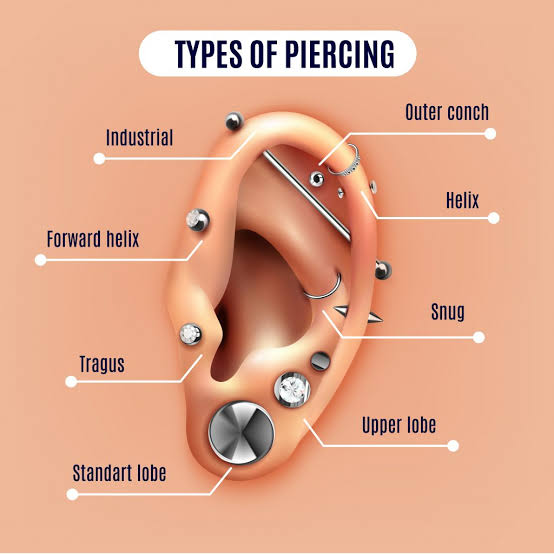
Piercing training involves extensive theoretical learning about sterilization, anatomy, hygiene, and aftercare, followed by significant hands-on practice under mentor supervision, often lasting 6-12 months or more. You'll learn to use sterile tools and jewelry, handle clients and stressful situations, and receive BBP (Bloodborne Pathogen) certification. Expect a combination of "homework," observing procedures, and eventually performing piercings on models and live clients, with a focus on building confidence and technical skill.
What to Expect During Training
Theoretical Foundation:
Hygiene and Sterilization: Learn about aseptic techniques, sterilization, and cross-contamination prevention.
Anatomy and Healing: Study in-depth anatomy to understand the body's response to piercing and how it heals.
Materials and Tools: Familiarize yourself with safe jewelry materials, various types of jewelry, and the tools used in the process.
Aftercare Protocols: Understand the correct aftercare instructions to provide to clients for successful healing.
Practical Experience:
Mentor Supervision: Learn directly from a qualified mentor who will supervise your work, especially for new techniques.
Observation: Observe a high number of procedures (sometimes 100+) to understand different techniques and placements.
Hands-on Practice: You will practice on models and eventually live clients, progressing from simple piercings to more complex techniques.
Client Interaction: Develop strong social skills to make clients comfortable, explain the process, and handle potential issues like nervousness or fainting.
Certification and Qualification:
BBP Certification: Obtain training and certification in Bloodborne Pathogens, a standard requirement for body art professionals.
First Aid: Get certified in First Aid, as this is often a requirement and a valuable skill.
Apprenticeship Completion: A comprehensive apprenticeship can involve both theoretical modules and extensive practical days with live clients to build competence.
Required Skills:
Fine Motor Skills: Develop a steady hand and precision for accurate placement of piercings.
Concentration: Maintain focus during procedures to ensure precision and safety.
Customer Service: Possess strong interpersonal skills to build rapport and trust with clients.
Problem-Solving: Learn to handle stressful situations and potential complications effectively.